Trading convenience for connection,
what does that look like?
My approach is a thorough hands-on assessment of not just vertebral joint dysfunction (I.e. “subluxations”), but also the surrounding tissues and adjacent joints.
I spend 20 to 30 minutes each visit with patients to work on the tissues before rendering chiropractic adjustments because I find this most effective in not only the adjustment itself, but the ability of the adjustment to hold longer.
Due to adjustments holding better and longer, we can have farther spacing between visits which is easier on everyone’s schedules. (And better financially also!)
This looks like care starting at 1x/week instead of 3x/week.
With longer treatment times, I also do not see a lot of people per day.
My maximum would be anywhere between 12-14 patients per day, compared to a lot of my colleagues that see 50+/day.
Instead of the more “convenient” quick 5 min adjustment, this niche style of applying hands on tissue work in conjunction with the adjustments leaves patients feeling more cared for and having a more personable experience. Thus, building that connection.
“Do not be hasty, that is my motto”
– Treebeard, J.R.R Tolkien

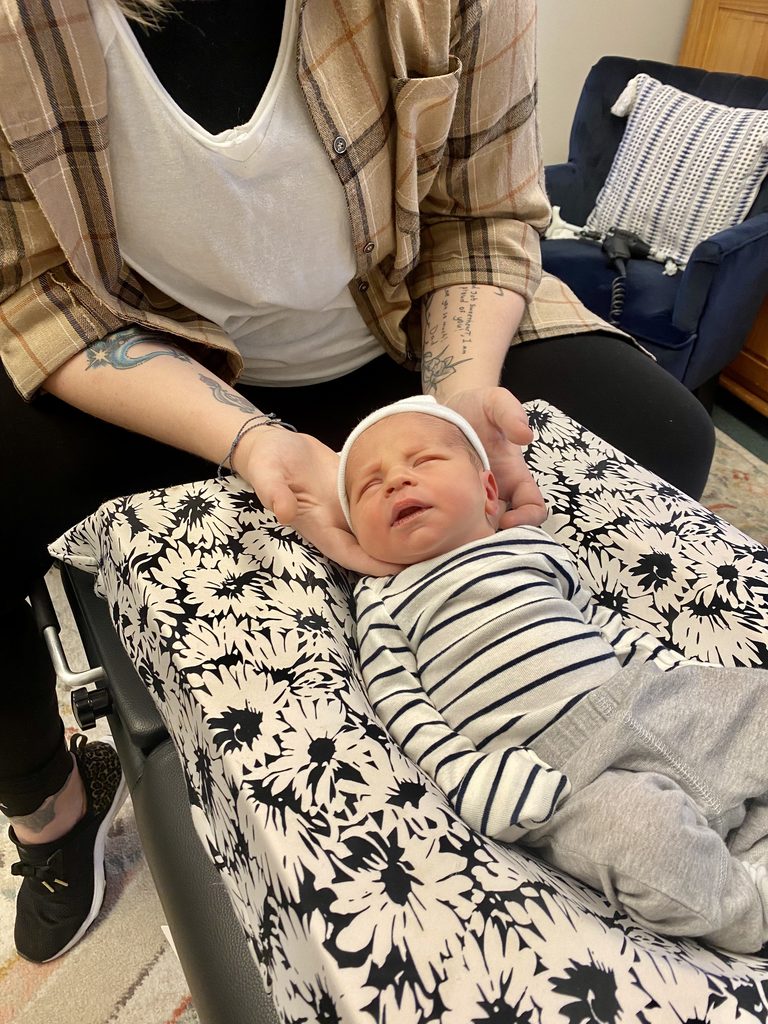
We treat kids too!
I have spent the last decade specializing and honing my skills in the perinatal period and pediatrics.
I became Webster certified in 2016. While I did not pursue the full diplomate program, I have completed all of the pediatric chiropractic adjustment technique trainings from the ICPA.
I also have obtained pediatric kinesiotaping certification.
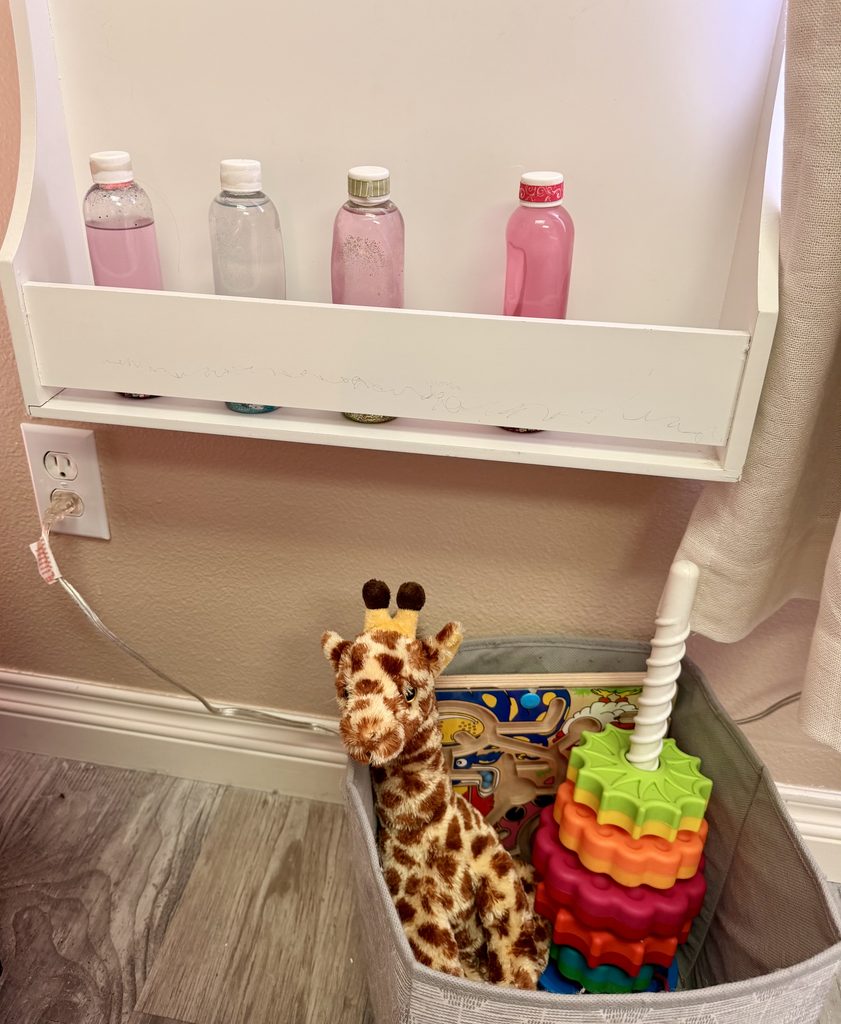
I very much enjoy seeing kiddos in my office. Even if they are not getting treatment and are tagging along with mom or dad, there are various toys, books, and puzzles to help entertain them during their parents treatment time.
While I love treating perinatal and pediatrics, I now want to bring chiropractic into mental health support. Showing what chiropractic can do for management of symptoms for conditions such as chronic depression and anxiety.
Chiropractic does not treat mental health conditions directly, but can be an amazing tool in managing the parasympathetic nervous system and helping people adapt to many stressors in life.
I also have an amazing network of local Trauma-Informed body work practitioners that can become a part of your mental health management team.